


Quality Systems at JD Machine
A 99.6% customer quality rating sustained across 48 years. Integrated systems, documented practices, and in-house inspection and testing.
Quality Is Built In, Not Bolted On
Quality at JD Machine is structural. It runs through how parts are quoted, how programs are written, how operators are trained, how assemblies are inspected, and how documentation moves with the part. The 99.6% customer quality rating sustained across 48 years is the cumulative output of that structure, not the result of a final inspection step.
The system has four working parts: integrated processes engineered offline before a chip is cut, documented practices that move with the work, a dedicated inspection and testing infrastructure, and the traceability documentation that regulated customers require. Each of these is owned by team members across the shop, not by a single quality department working in isolation.
The Practices That Run the Floor
Before any production run begins, processes are engineered offline using CAD/CAM and CNC program simulation software. The simulation step catches collisions, tool path issues, and setup errors at the desk, not on the machine. Up-to-the-minute OEE and throughput tracking on every machine makes variation visible the day it appears, so corrections happen early.
PFMEA (Process Failure Mode and Effects Analysis) is used to anticipate where a process can fail and to design the controls that prevent it. The output of PFMEA becomes Standard Work Instructions: documented, step-by-step procedures that govern assembly, inspection, and handoffs. Standard Work Instructions mean process knowledge isn't carried in one operator's head. It's written, trained, and auditable.
The discipline pairs with lean manufacturing practice. 5S workplace organization, Just In Time pull systems, and Continuous Improvement are the operating model the quality system runs inside.
In-House Inspection and Testing
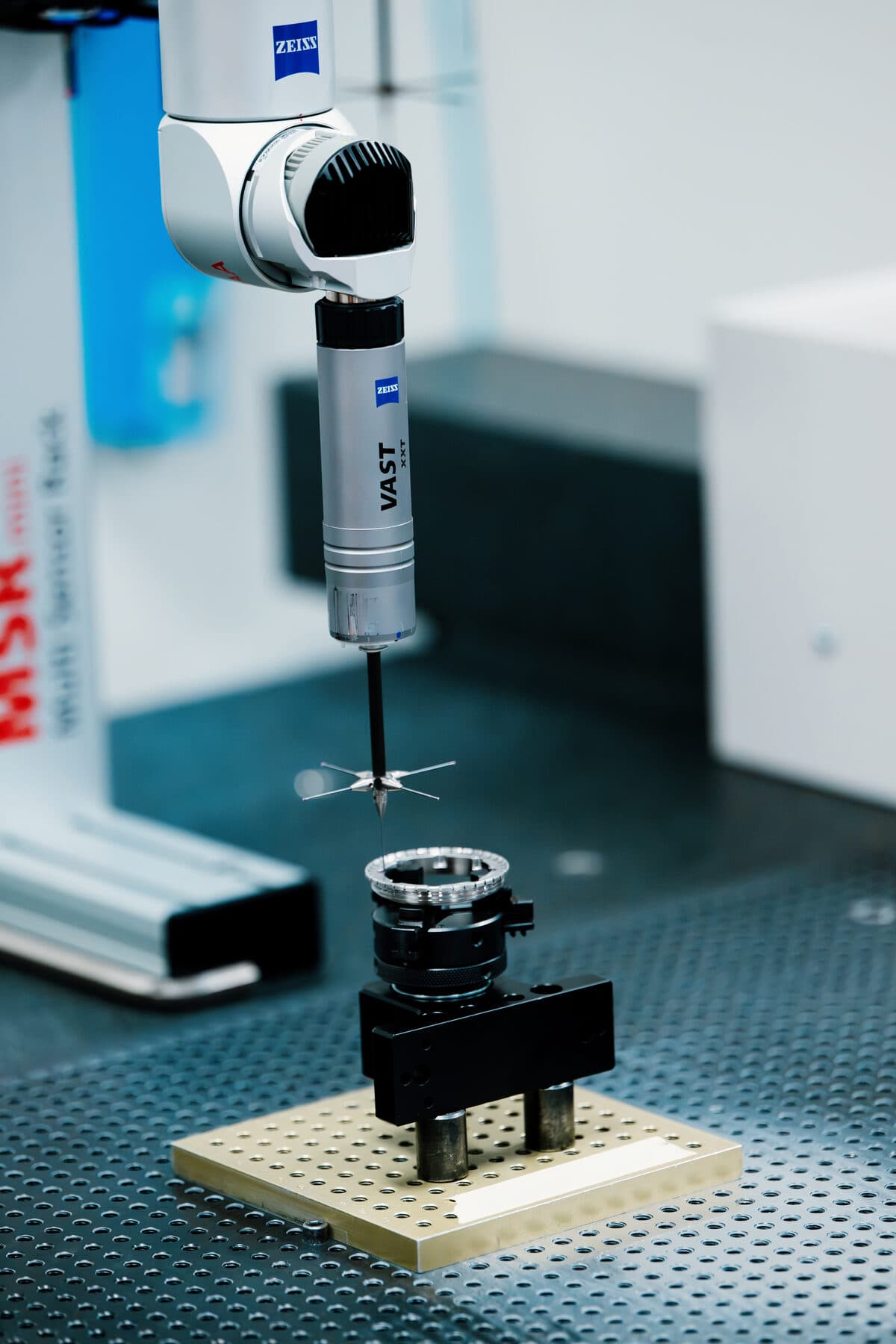
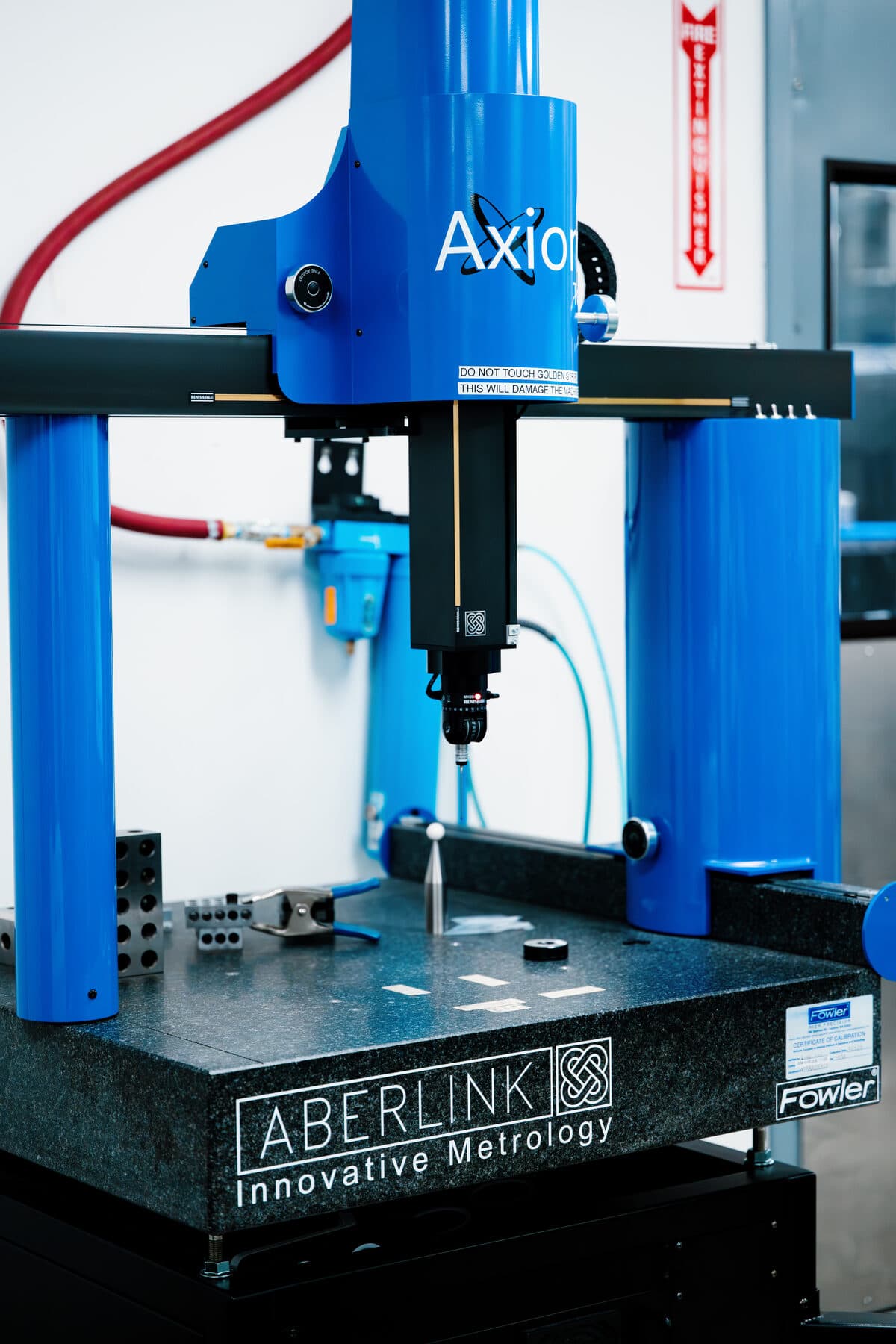
JD Machine's 100,000 sq ft facility includes a temperature- and humidity-controlled quality area designed specifically for inspection of precision components. Environmental control matters at tight tolerances; ambient temperature swings can move dimensional readings on the gage. The dedicated room removes that variable. Assembly and testing protocols cover pressure tests, helium leak tests, electrical conductivity tests, and functional performance testing. Each test is governed by the same Standard Work Instructions framework, with results documented and attached to the part record. For aerospace, defense, space exploration, medical, and energy customers, that means a finished part ships with the inspection and test evidence the program file requires.
Traceability for Regulated Industries
Quality without documentation is unverifiable. JD Machine builds traceability into the work product: material certifications, process records, inspection results, and test data captured through production and retained against customer and regulatory requirements.
The system supports the documentation regimes that regulated customers operate under. AS9100D for aerospace, ITAR for defense-related work, and CMMC Level 2 for defense supply chain cybersecurity all require the same underlying discipline of documented, retrievable, auditable evidence. The full credential set is detailed on the Certifications page.
Quality Improves the Way Lean Improves
The 99.6% quality rating is the cumulative result of small improvements compounding across 48 years. Continuous Improvement is the working method: team members identify variation, propose fixes, and implement changes inside their own areas. The improvements are documented, the PFMEA is updated, the Standard Work Instructions are revised, and the new practice becomes the next baseline.
That feedback loop is what keeps the quality system from drifting. A quality manual written once and shelved is a quality system in name only. JD Machine's manual gets edited.
Build With a Quality-First Partner
Send a print, an RFQ, or an audit-prep question. Quote response within 24 hours.
(801) 782-4394