
How We Develop the People Who Build the Work
JD Machine has grown from a team of 6 in 1992 to 230+ today. That kind of growth doesn't happen by hiring out of a single talent pool. It happens by building the people who build the parts: bringing apprentices in without prior experience, putting them alongside journey-level team members, and giving them a structured path from new hire to skilled tradesperson.
The workforce-development picture has three parts. JDU, our U.S. Department of Labor Certified Apprenticeship Program, is the structured entry path. On-the-job training is the daily mechanism by which skill develops once you're in the door. Continuous skill development and mentorship carry experienced team members forward across decades. Each part connects to the others.
JDU: The Apprenticeship Pathway
JDU is JD Machine's U.S. Department of Labor Certified Apprenticeship Program. It's the structured, paid pathway from no prior experience to journey-level machinist or fabricator, with classroom instruction, on-the-job training, mentorship by experienced team members, and federally recognized journey-level credentialing at completion. For people new to manufacturing, JDU is the credential to know. The DOL certification places it in the federal registered apprenticeship system, with documented training standards, defined competency milestones, and the same journey-level recognition that any DOL-registered apprentice earns. Apprentices earn while they learn. The program connects directly to the work being done on the floor at one of Utah's larger mid-market precision manufacturers. Full program detail, eligibility, and application path are on the JDU page.
See Open PositionsOn-the-Job Training
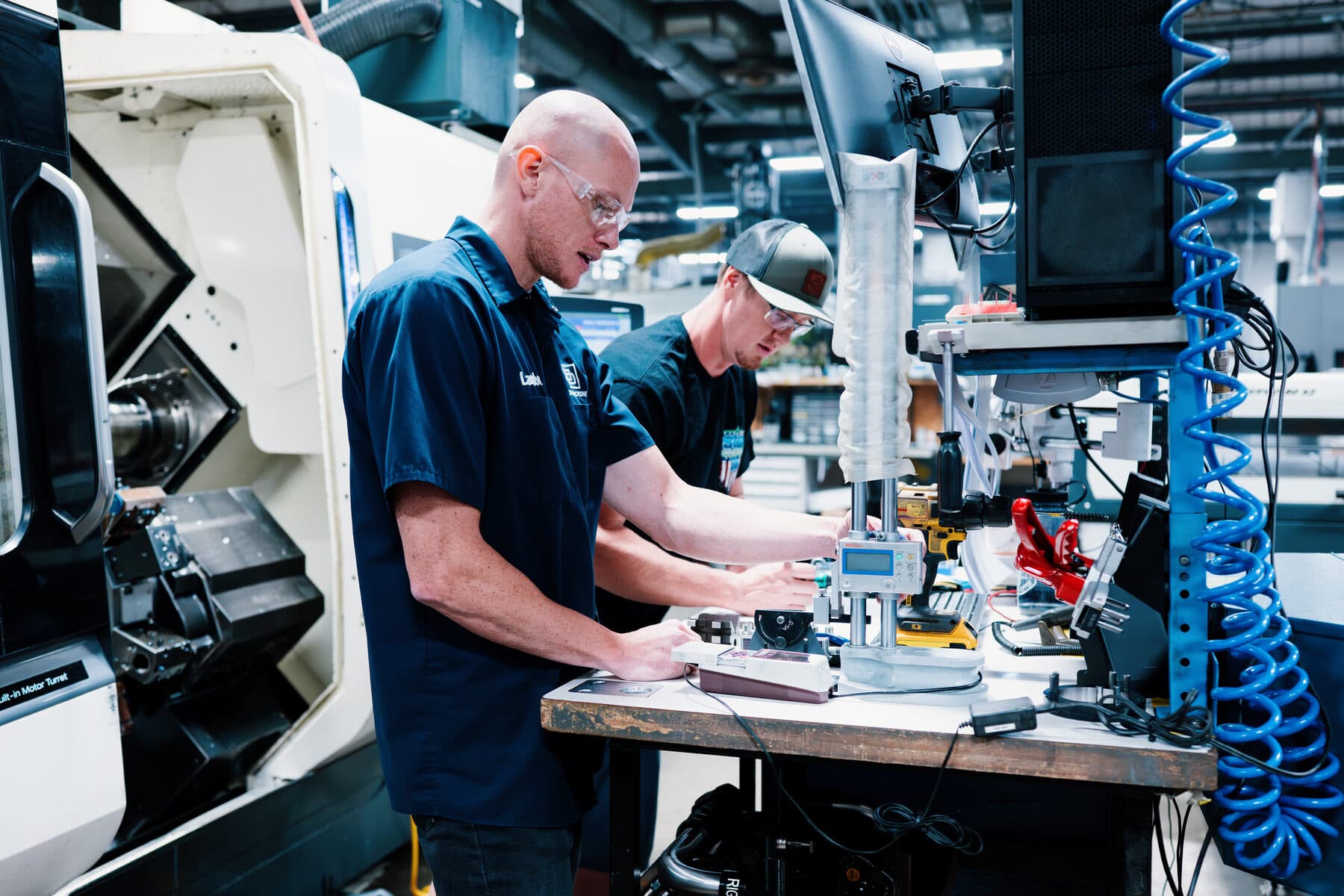
Classroom instruction matters, but skill develops at the machine. JDU apprentices and new hires across roles work alongside experienced team members from day one. The setup is deliberate: pair the learner with the practitioner, work through real production parts at real tolerances, and let the work itself be the curriculum.
The discipline that makes this work is the same discipline that runs the rest of the shop. PFMEA-driven Standard Work Instructions document how the work should be done. OEE tracking makes variation visible. Quality systems catch issues upstream of the cutter. New team members learn the standard alongside the people maintaining it, which is how the standard stays consistent across 230+ team members and across shifts.
Skill Development Across the Career Arc
Journey-level certification isn't a finish line. The work changes, the equipment changes, the customers' requirements change, and the people doing the work need to change with them. JD Machine's approach to ongoing skill development is structural rather than programmatic: it lives in the operating model.
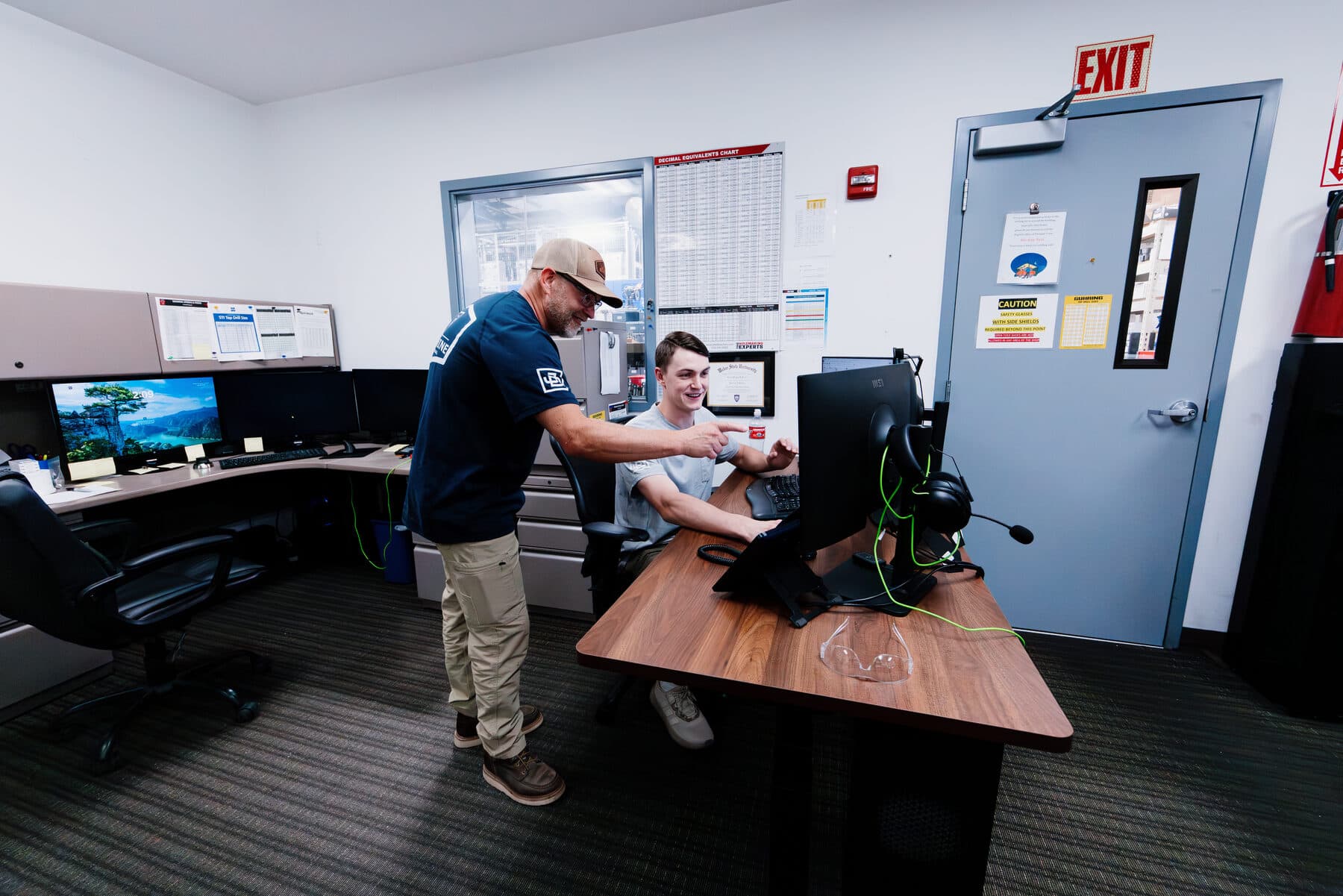
Continuous Improvement, embedded in the shop since 1998, is a training mindset as much as it is a lean discipline. Team members identify variation, propose fixes, and implement changes inside their own areas. The act of improving the work is also the act of learning the work more deeply. Mentorship runs in both directions: experienced team members coach newer ones, and newer team members bring fresh perspective to processes that have run a long time.
The career arc at JD Machine has multiple branches: from apprentice to journey-level machinist or fabricator, from operator to programmer, from inspector to quality leadership, from production to engineering. Several of the people running departments today started as apprentices or operators on the floor.
Why This Matters to Customers Too
For customers evaluating JD Machine as a supplier, the workforce-development picture is also a stability signal. A shop with a DOL-certified apprenticeship pipeline, structured OJT, and decades of mentorship culture is a more durable partner than one without. Programs that span long-term agreements depend on team continuity. That continuity is built here.
Build a Career, or Start One From Scratch
Open positions are listed on ApplicantPro. JDU applications are reviewed on a rolling basis.
(801) 782-4394